Arsenal's Loaned Youngster Balogun Has Scored 20 Goals in Breakthrough Season
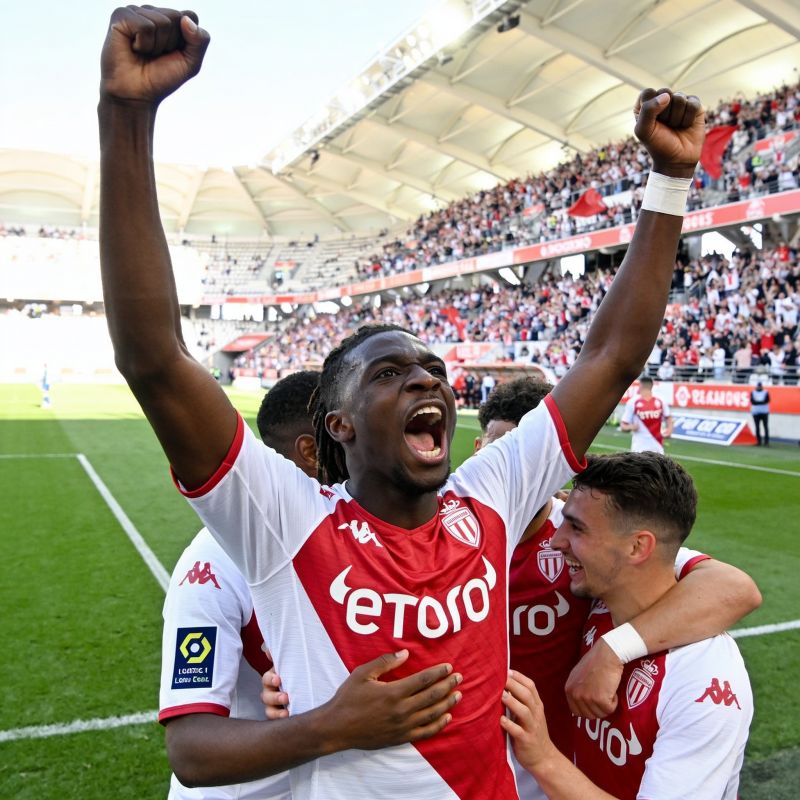
Arsenal's loaned youngster Balogun has scored 20 goals, turning a temporary spell in France into one of the most compelling individual stories of the Ligue 1 season. Playing for Reims, the 21-year-old forward reached the landmark with a composed finish that reflected the confidence running through his game. His tally was not built on a single hot streak. Balogun scored against a range of opponents。found the net in tight matches and repeatedly gave Reims an attacking outlet when the team was under pressure. The headline figure eventually moved beyond 20 league goals, placing him among France's most productive young forwards and forcing Arsenal to reconsider how quickly he could be integrated into their first-team plans.The numbers were particularly striking because Balogun had never previously carried such a heavy scoring burden at senior level. Before joining Reims。he had made only limited first-team appearances for Arsenal and spent part of the previous campaign with Middlesbrough, where he showed flashes of pace but struggled to maintain a regular scoring rhythm. In France, the picture changed almost immediately. Balogun attacked space behind defenders, pressed with purpose and became more decisive around the penalty area. His movement often created openings before he even touched the ball. That detail matters: the goals were not simply the product of poaching rebounds or taking penalties. Reims used his acceleration as a central part of their attacking plan, and Balogun responded with the kind of consistency that attracts attention from major clubs.Arsenal's loaned youngster Balogun has scored 20 goals at a time when the club's own forward options have been closely examined. Mikel Arteta's side had relied heavily on established attackers, while academy products and returning loanees competed for limited minutes. Balogun's development has added a new question to that selection debate. A player who can score regularly in Ligue 1 cannot be treated as an untested prospect。yet a successful loan spell does not guarantee an immediate Premier League breakthrough. The pace, physical demands and tactical detail in England would present a different challenge. Arsenal must decide whether to bring him back as a rotation forward, continue his development elsewhere or consider a permanent transfer at a premium price. His form has made every option more expensive and more complicated.Balogun's rise has also carried an international dimension. Eligible to represent England and the United States, he became the subject of a public tug-of-war as both national teams assessed his future. The decision eventually went in the United States' direction。
adding another layer to a season already filled with attention. International football will test whether his club form can survive a different system, fewer training sessions and stronger defensive preparation. Balogun's performances suggest that he has the athletic tools for that challenge, but his next stage will demand patience. Young strikers can look unstoppable for several months and then encounter a long stretch in which defenders learn their patterns. His response to that adjustment will reveal as much as the 20-goal milestone itself.For Reims, the campaign offered a glimpse of what a confident。
aggressive forward can do when given responsibility rather than occasional cameos. For Arsenal, Balogun's numbers represent both an asset and a decision point. The club now has evidence that the youngster can lead an attack, not merely fill a place on the bench. Arsenal's loaned youngster Balogun has scored 20 goals, but the more important question is what those goals mean next. If he returns to north London, supporters will expect meaningful opportunities, not symbolic appearances in early cup rounds. If he leaves, the transfer fee should reflect his production, age and room for improvement. Either way, Balogun has moved beyond the label of promising loanee. He has become a forward whose next move could shape the direction of his career and influence Arsenal's plans for years.
Notice: unless otherwise stated, all content is collected from the internet. If it infringes your rights, please contact us for removal.