
Why Sterling Remains a Benchmark for Silver Purity and Value
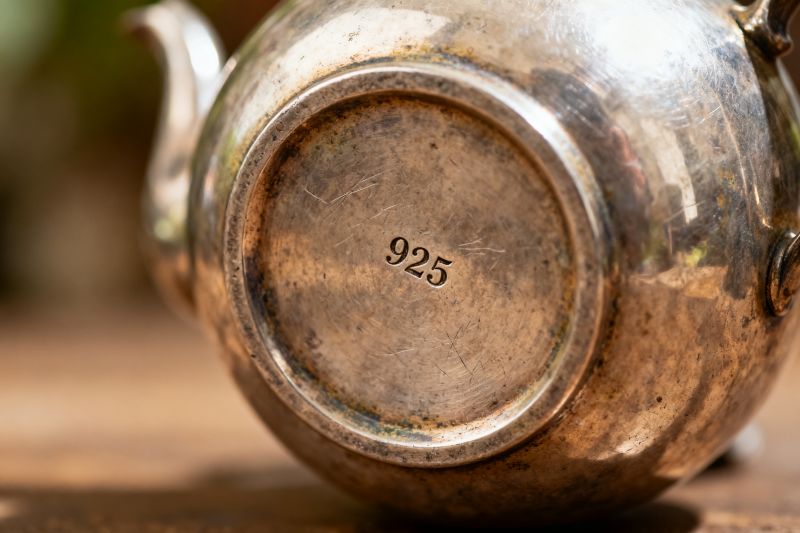
You can't talk about antique silver without mentioning sterling. The term gets thrown around at auctions and estate sales, but plenty of people nod along without really knowing what it means. Sterling silver is an alloy—92.5 percent pure silver, 7.5 percent other metals, usually copper. That specific ratio isn't arbitrary. Pure silver is too soft for everyday use;a fork made of it would bend under the weight of a steak. Adding copper gives it the durability needed for flatware。jewelry, and tea services while preserving the bright white luster that makes silver desirable in the first place.Walk through any reputable antique shop and you'll see the word stamped on the underside of bowls and the backs of spoons. That mark matters. In the United States, the National Stamping Act of 1906 made it illegal to label something sterling unless it meets the 925 standard. Britain has an even older system—the hallmarking tradition dating back to the 14th century, where assay offices in London, Birmingham。
Sheffield, and Edinburgh still test and stamp pieces today. I once watched a dealer in Edinburgh explain to a customer why a Victorian teapot with a worn maker's mark but intact assay office stamp held its value. The stamp was the proof. Without it, the piece was just pretty metal.Here's where things get interesting for collectors. Sterling silver isn't just about purity—it's a record of craftsmanship. The weight of a piece。the crispness of the engraving, the way the handles balance in your hand—these details separate a master silversmith from an apprentice. Tiffany & Co. built an empire on this principle. Their early 20th-century pieces, particularly the ones designed by Paulding Farnham, combined sterling with enamel and semi-precious stones. A sterling silver pitcher from that era can fetch five figures at auction, not because of its silver content but because of the artistry. The metal is the canvas. The skill is the value.Modern buyers face a trickier landscape. Sterling silver jewelry floods the market, but not all of it deserves the label. Some manufacturers cut corners by using thinner gauge metal or skipping the copper entirely and substituting cheaper alloys. The result looks fine on day one and tarnishes within weeks. I've seen pendants stamped 925 that turned black in a month—a clear sign the alloy was off. Reputable sellers will provide assay reports or at least stand behind their pieces. If someone online offers a sterling chain at a fraction of the going rate, ask yourself what they're not telling you.Caring for sterling silver requires attention, but it's not fussy. Store pieces in anti-tarnish bags or lined drawers. Wear jewelry often—the oils in your skin actually slow tarnish. Skip the harsh dips and use a soft cloth with a gentle silver polish. A silversmith in Rhode Island once told me the best thing you can do for your sterling is use it. A serving spoon that sits in a drawer for a decade will need more polishing than one that hits the table every Thanksgiving. That practical wisdom holds up. Sterling silver rewards use, not neglect.
Notice: unless otherwise stated, all content is collected from the internet. If it infringes your rights, please contact us for removal.