Steaua Bucharest Rebuilds Its Identity at the Heart of Romanian Football
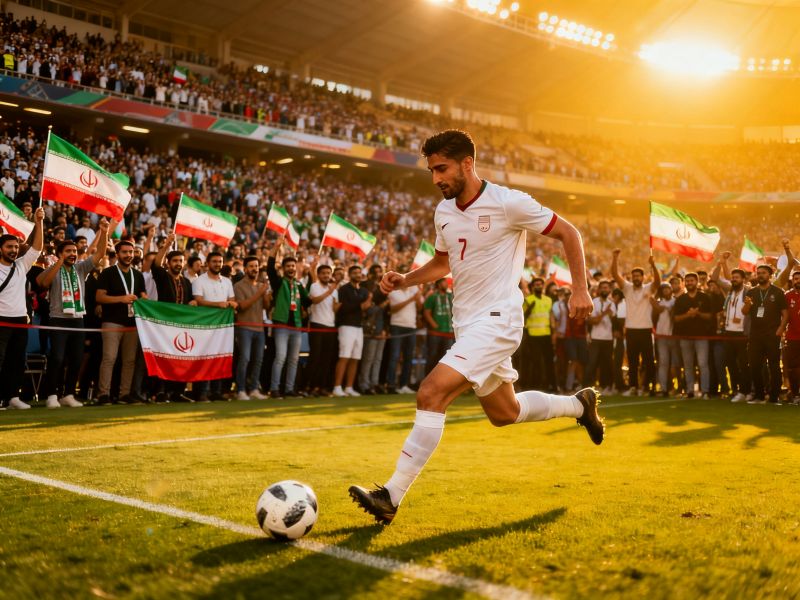
teaua Bucharest remains one of the most powerful names in Romanian football, even as its modern identity is tied to a legal and sporting dispute that has divided supporters for more than a decade. The club associated with the Romanian Army returned to Ghencea Stadium with a clear objective: rebuild a competitive side while protecting a history that includes the 1986 European Cup triumph. Steaua Bucharest began its latest chapter in the lower divisions, where large crowds and intense scrutiny followed every home match. The atmosphere around the team is striking. Fans arrive wearing red and blue scarves, veterans from the 1980s are still treated as icons, and every discussion about results quickly turns into an argument about ownership。tradition and legitimacy. For Steaua Bucharest, a routine league fixture can feel like a referendum on the past.
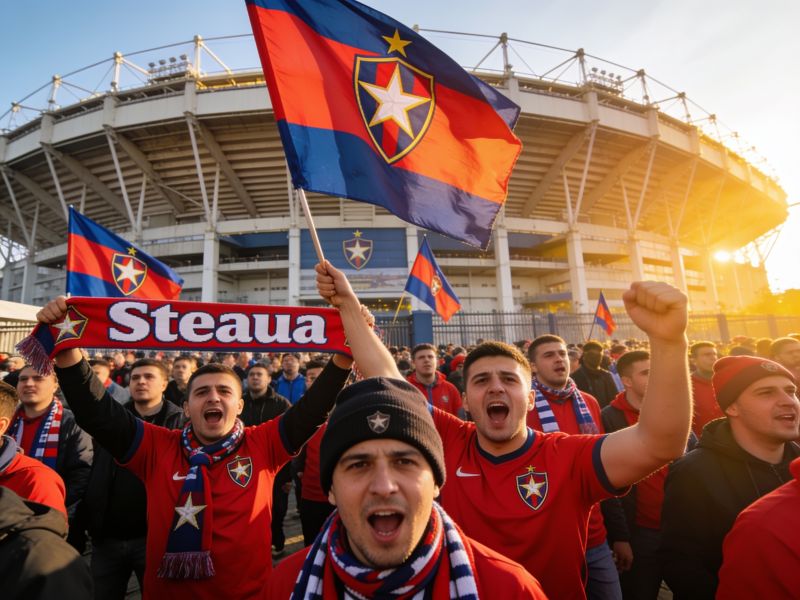
The dispute became unavoidable after Romania’s courts ruled that the FCSB club could not continue using the Steaua name and associated symbols without authorization from the Army Sports Club, known as CSA Steaua. FCSB retained its place in the top division and continued to compete in European football, while CSA Steaua created a new senior football structure and began climbing through the Romanian league system. That split produced two competing claims in the public arena. FCSB supporters point to the club’s continuous presence in elite football and its domestic titles. Steaua Bucharest supporters answer that the legal identity, crest and Ghencea tradition belong to CSA Steaua. The argument is not confined to court documents. It appears in banners。chants, television debates and social-media exchanges, often with more emotion than the weekend’s scoreline.On the pitch, Steaua Bucharest has faced a difficult practical barrier. Because CSA Steaua operates under a public institution, its structure has prevented promotion to Romania’s top flight under existing licensing rules, despite strong performances in the second tier. That restriction has created an unusual situation: Steaua Bucharest can challenge established clubs, attract crowds that many Liga II teams would envy and produce players with professional potential。yet still be unable to complete the conventional route to the SuperLiga. Club officials have repeatedly argued that a change in legal form or legislation is needed, while critics question whether public money should support a professional football operation. The debate has made Steaua Bucharest a political story as much as a sporting one. A promising young midfielder may dominate a match on Saturday, but the conversation by Monday is often about parliamentary proposals and club statutes.Ghencea Stadium has become the most visible symbol of that tension. Opened as a modern replacement for the old ground, the venue gives Steaua Bucharest a home that matches the scale of its history, with improved facilities, sharper sightlines and a sense of ceremony around major fixtures. Yet the stadium also carries a burden. Every return to Ghencea invites comparisons with the side that defeated Barcelona in Seville in 1986, when Steaua Bucharest goalkeeper Helmuth Duckadam saved four penalties in the European Cup final. That achievement remains almost mythological in Romania。and supporters expect the current club to honor it without pretending that the football landscape has stayed unchanged. In the stands, younger fans who never saw the final sing alongside older supporters who remember it in detail. Their shared experience gives Steaua Bucharest an emotional strength that cannot be measured by league position.The future of Steaua Bucharest will depend on whether Romanian football can separate sporting competition from unresolved institutional questions. A sustainable solution would need to protect the club’s historical assets while allowing a structure eligible for top-flight and European competition. Until then, Steaua Bucharest will continue operating in a state of suspended ambition。too important to ignore and too constrained to move freely. The club’s strongest asset is not only its trophy cabinet;
it is the loyalty visible at every home match, especially when results are uneven and promotion remains uncertain. FCSB will continue pursuing success in the elite division, but Steaua Bucharest will keep defending its claim to a different kind of continuity. For Romanian football, the rivalry is uncomfortable, expensive and deeply personal. It is also unlikely to disappear soon.
Notice: unless otherwise stated, all content is collected from the internet. If it infringes your rights, please contact us for removal.